Published
Everything we had for Thanksgiving
This is everything we had for Thanksgiving last night, a spread of things that worked for our range of dietary requirements. I really loved everything we made and would happily have any of it again. See the menu below with recipes (typed out if mine, linked if not) and ingredient lists.
V = Vegetarian
Ve = Vegan
LF = Lactose Free
GF = Gluten Free
LowF = Low-FODMAP
An asterisk means that the dish isn’t 100% appropriate for that particular diet but could be suitable with an easy substitute.
Rosemary pecan pie – V, LF*, GF
Gluten free flour, vegetable oil, sugar, salt, milk / mylk, dark brown sugar, golden syrup, butter, vanilla extract, rosemary, eggs, pecans
Most pecan pie recipes call for corn syrup. That’s a bummer in and of itself, but it also makes it super difficult to make in the UK since it is really hard to find. Enter Ruby Tandoh’s rosemary pecan pie recipe which calls for golden syrup, an easy-to-find ingredient on British grocery store shelves. I really like the rosemary flavour in this, but I wouldn’t recommend steeping it too long and wouldn’t add the fresh rosemary needles on top. The flavour is just too strong.
I’ve noticed this before but always forget: this pie gets very dark on top, verging on burnt-looking. I think this may have to do with both the dark brown sugar and the cooking temperature / time. Next time, I may try BBC Good Food’s New England pecan pie recipe (also without corn syrup) or perhaps a combination of the two.
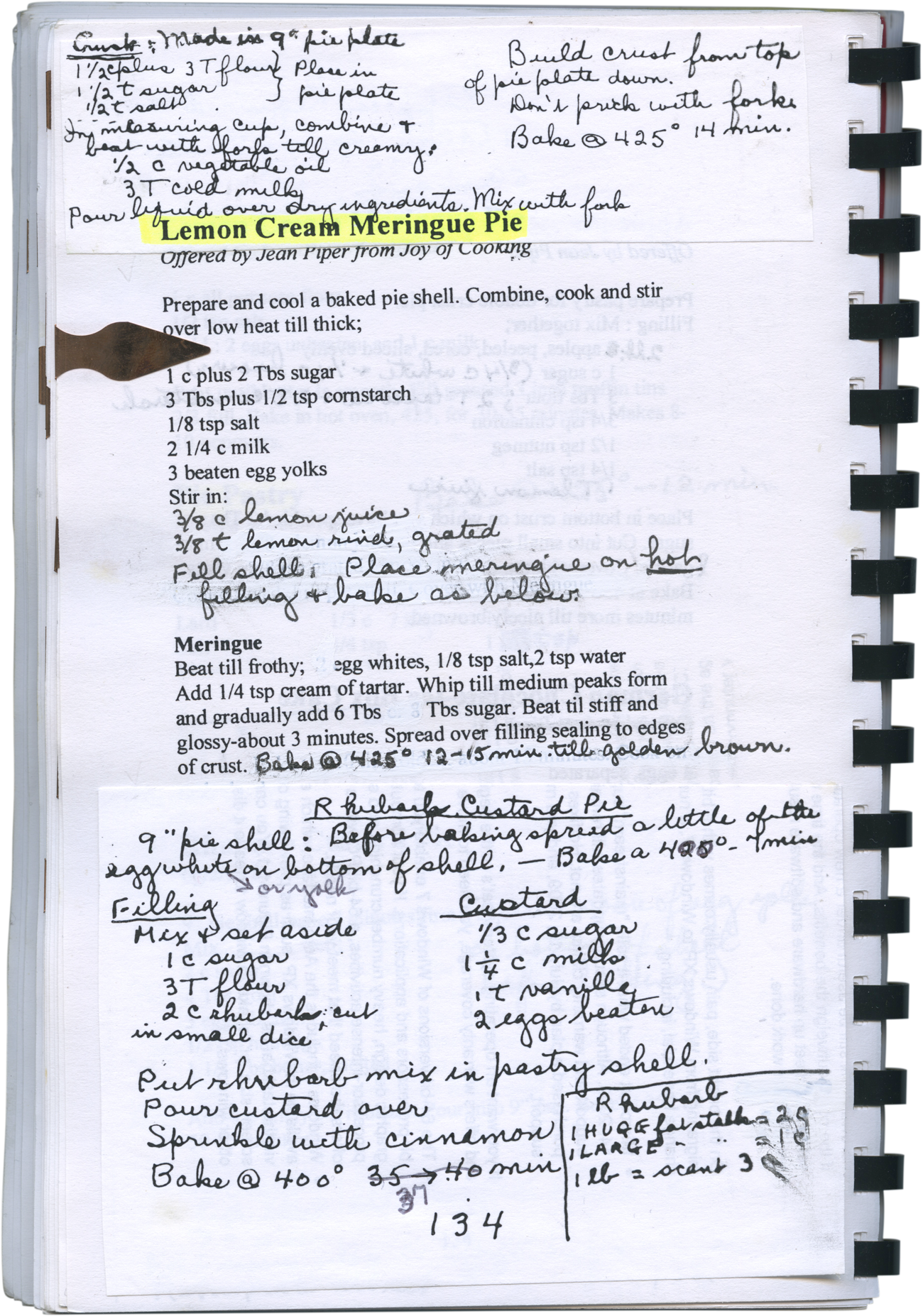
To make this gluten free, I used my grandma’s press-in pie crust recipe with gluten free flour. It worked well, but something about it could have been a bit better… I think that there could have been a little bit less fat, and maybe melted butter would have a better flavour. It’s also useful to mix this up in a bowl first, doing it in the plate is just a bit messy. I think that the brushed beaten egg actually does a lot to help the crust to stay together.
Spiced roasted carrots – V, Ve, LowF, LF, GF
Carrots, brown sugar, olive oil, coriander seeds, cumin seeds, fresh thyme
This is always one of my favourites. See the honey roasted carrots recipe from this Guardian article, adapted from a recipe by Ottolenghi. I always use brown sugar instead of honey, usually add a bit more cumin than it calls for, and sometimes add cayenne. It’s best to put the roasting tray towards the top of the oven and give the carrots a lot of space, otherwise they steam instead of roast.
You can cook this a lot earlier in the day and then just warm it through later on, or serve it room temperature.
Miso-glazed spicy brussels sprouts – V, Ve*, LF, GF
Brussels sprouts, salt, pepper, olive oil, honey, miso paste, rice vinegar, sesame oil
Loosely based on this Bon Appetit recipe. The sprouts were pretty small so I roasted them whole. This worked great, less prep. The “bottom of the oven” technique worked well to get them cooked all the way through, and then I brought them to the top of the oven to get a slightly better roasted texture. It’s also helpful because they can just sit down there under other things that need the more direct upper-oven heat.
I roasted them earlier in the day when I had more oven space for a big sheet tray (they need space so that they don’t steam). After that, I transferred them to a much smaller tray. When we got close to eating, I prepared the glaze by combining the ingredients to taste and heating it in a little pan, then poured it over the sprouts and popped them back in the oven to warm through.
Warm kale and wild rice salad – V, Ve, LowF, LF, GF
Wild rice, vegetable stock, kale, persimmons, squash, seeds, oranges, maple syrup, coriander seed, cumin seed
This was very loosely based on a Roasted Squash and Kale Salad recipe from Serious Eats. Our version had massaged kale, red and wild rice cooked in vegetable stock, sliced persimmons, roasted squash, toasted sunflower and pumpkin seeds, and a spiced maple and orange vinaigrette. Next time, I think I would roast the kale with the squash as suggested in the Serious Eats recipe, would possibly add some orange segments, and would probably go heavier with the spices in the dressing.
This is easy to prepare ahead or earlier in the day.
Old fashioned cornbread – V, LowF, LF*, GF
Coarse cornmeal / polenta, baking soda, baking powder, egg, butter, vinegar, milk / mylk, honey
I like a less cake-y cornbread, something that is just barely sweet. I like to put an absolute ton of honey or maple butter on top, and semi-savory, gritty cornbread contrasts that really well.
This recipe worked perfectly. I used the coarsest polenta I could find and used a faux milk-free “buttermilk” (1.5 T vinegar + Oatly Barista). It was some of the best cornbread I’ve had in a long time with a pleasant, slightly gritty texture. Not at all like the brick I made last year! My cast iron skillet was slightly too big though so the result was a little thin. Next time, it’d be better to increase the quantity or find a smaller skillet. I’d probably preheat the skillet in the oven as well to get a firmer crust on the bottom. The 20 minute cook time was perfect.
Cranberry relish – V, Ve, LowF, LF, GF
Frozen cranberries, orange, sugar
Was able to find frozen cranberries this year so we made my favourite cold cranberry relish, see mom’s notes for recipe.
This can be made way ahead and is very quick.
Roasted potatoes – V, Ve, LowF, LF, GF
Good roasting potatoes, rapeseed oil, salt, chopped rosemary, chopped thyme
Preheat the oven to 200C (400F) and position a rack towards the top third of your oven. Pour a good amount of rapeseed oil in to one or more roasting tins that are large enough to handle all of your potatoes with a bit of wiggle room, and then put this in the oven to preheat. Cut a bunch of good roasting potatoes in to very large chunks, then parboil in heavily salted water. Keep an eye on them; they’ll go to mush in the next step if they’re too soft! When they’re ready drain the water, then bash them around in the pot a little bit so that they get roughed up. When the oven has come to temperature, pull the tray(s) out of the oven and carefully dump in the potatoes. Coat with the hot oil, and season well with salt. Place in the upper third of your oven and roast for approximately 25-30 minutes. At this point, pull out the potatoes, shuffle them around, top them with chopped rosemary and thyme, and then put them back in the oven to roast for a further 10–15 minutes.
I did these at 180C since that’s the temperature that the nut roast called for. They maybe weren’t quite as all-over crispy as they would have been at a higher heat and they took a little longer, but they were still great.
Onion gravy – V, Ve*, LF*, GF
Onions, vegetable stock, gluten free flour, butter, chopped herbs, wine, salt, pepper
Slice 1-2 onions and cook gently over medium-low heat in a heavy pot until very soft and brown, approximately 30-45 minutes. Add a glug of white or red wine and simmer for a bit until the alcohol has burned off. Scrape any brown bits stuck to the pan in to the mixture. Add some vegetable stock, then bring the whole thing to a simmer. In a small bowl, make a beurre manié by mixing some flour and butter together. Add this to the gravy gradually to thicken it. Add the chopped herbs and cook until they have softened somewhat, then taste and balance out the flavours with salt, pepper, or additional wine.
Normally I make gravy from the chicken / turkey pan drippings but honestly… I might just stick to this in the future. It was *really* good, it’s veggie-friendly, and it means you don’t have to worry about making gravy right when everything is ready to go on the table. The pan drippings can go in to the stock later on instead.
Nut roast – V, GF*
Parsnips, savoy cabbage, hazelnuts, butter, onion, chestnut mushrooms, cooked chestnuts, stilton, brown breadcrumbs, fresh sage, egg, salt, pepper
We used Felicity Cloake’s perfect nut roast recipe. This is a very nutty, mushroom-y mixture wrapped in cabbage leaves, very presentable. It tastes a lot like stuffing, which is excellent in my book.
To make this gluten free, we used GF oat cakes for the “breadcrumbs”. We accidentally forgot the egg. The mixture didn’t slice *quite* as well because of this, but honestly it still held together pretty decently! We also maybe didn’t put quite enough salt and pepper in. This is a substantial mixture, so it’s worth remembering that it can take a lot of seasoning.
You might be able to make this vegan and/or lactose free. You could swap the butter for olive oil and could get away with omitting the egg. I’m not quite sure what you would do to replace the stilton though… It adds a creamy funkiness. Maybe some finely-chopped capers or green olives would be welcome, for the tanginess? Some chunks of tofu for the creaminess, marinated in a bit of Worcester sauce and / or dijon mustard? Not sure!
Spatchcock roasted chicken – LowF, LF*, GF
Whole chicken, butter or olive oil, fresh herbs on their stalks, salt, pepper
Made a chicken this year b/c most of us were either vegetarians or not big meat eaters!
To spatchcock the chicken, cut the backbone out and score the breastbone on the inside, then place it skin-up on to a rimmed baking sheet and press to break through the breastbone, making it nice and flat. Reserve the backbone for stock.
If possible, dry brine the chicken 24 hours ahead of time. Rub approximately 2.5 t salt and any other herbs / spices you want (lemon zest, pepper, sage, etc.) all over the chicken and then let sit in your fridge *uncovered*. This will draw the seasoning in to the meat and will allow the outside to dry out thoroughly, meaning crispier skin. The skin will start to look mottled and a little weird, and that’s ok!
About an hour before you’re planning to roast the chicken, remove it from the fridge and let it come to room temperature. Preheat the oven to approximately 180C (350F). Rub a good amount of butter or olive oil over the chicken and season it with just a little bit more flaky sea salt. Place your whole herbs underneath the chicken. Stick the probe of a digital oven thermometer deep in to the breast meat, being careful not to touch the bone. Place in the middle of the oven and roast until the thermometer temperature reaches 75C (170F). In my experience, this usually takes about an hour. Throw the backbone on the tray about halfway through if you’re going to use it for stock. If the skin doesn’t look crispy enough when the meat is done, move it towards the top of the oven and crank up the grill / broiler for a bit. Remove the thermometer before you do this, the direct heat can be a bit too much for it.
When the chicken is done, remove it from the oven and let rest at least 15 minutes before cutting in to it. The resting time is a good time to make a gravy or to finish off part-roasted potatoes in the oven.
Today (the day after), all of the chicken bones went in to a big pot with a whole bunch of peppercorns, bay leaves, onions with their skin, scrubbed and unpeeled carrots, and a lot of water. That has simmered for 4–5 hours and is now cooling. I’ll let it set in the fridge overnight and then will remove the fat from the top, reserving it to fry onions and spices for a curry later this week.
BTW the spatchcock technique should work well for a turkey too, but it will take longer in the oven and should rest longer as well.
Edit 7 December 2019 — I would definitely consider this squash, winter herb, and butterbean pie recipe (V, Ve*, GF*) by Anna Jones or this Chinese turnip cake recipe (V, Ve, LF, GF*) from Ottolenghi as well.
This year, I celebrated with some close girlfriends. It was my ninth Thanksgiving in the UK. Our kitchen isn’t the biggest, so we had a little candle-lit picnic in the front room on a stripy blanket my mom gave me years ago, the one on the bed in this pic.